
“The greatest gift you can give your team: clarity, communication, and pulling people together around a shared mission.” – Anne Sweeney, former Chair & President, Disney
When employees understand where the organisation is headed, why it matters, and how they contribute to getting there through consistent messaging, they engage more deeply, they make better decisions, and they perform better.
Yet, despite its importance, organisational clarity is slipping. Recent data shows a -0.59% decline in employee sentiment around company connection, with decreases in responses to “The leader of this organisation runs it based on sound moral principles” (-0.42%) and “I am inspired by the person leading this organisation” (-0.75%).
In short: organisational clarity is eroding.
So, how can companies turn the tide and ensure that their people fully engage with the organisation’s aims?
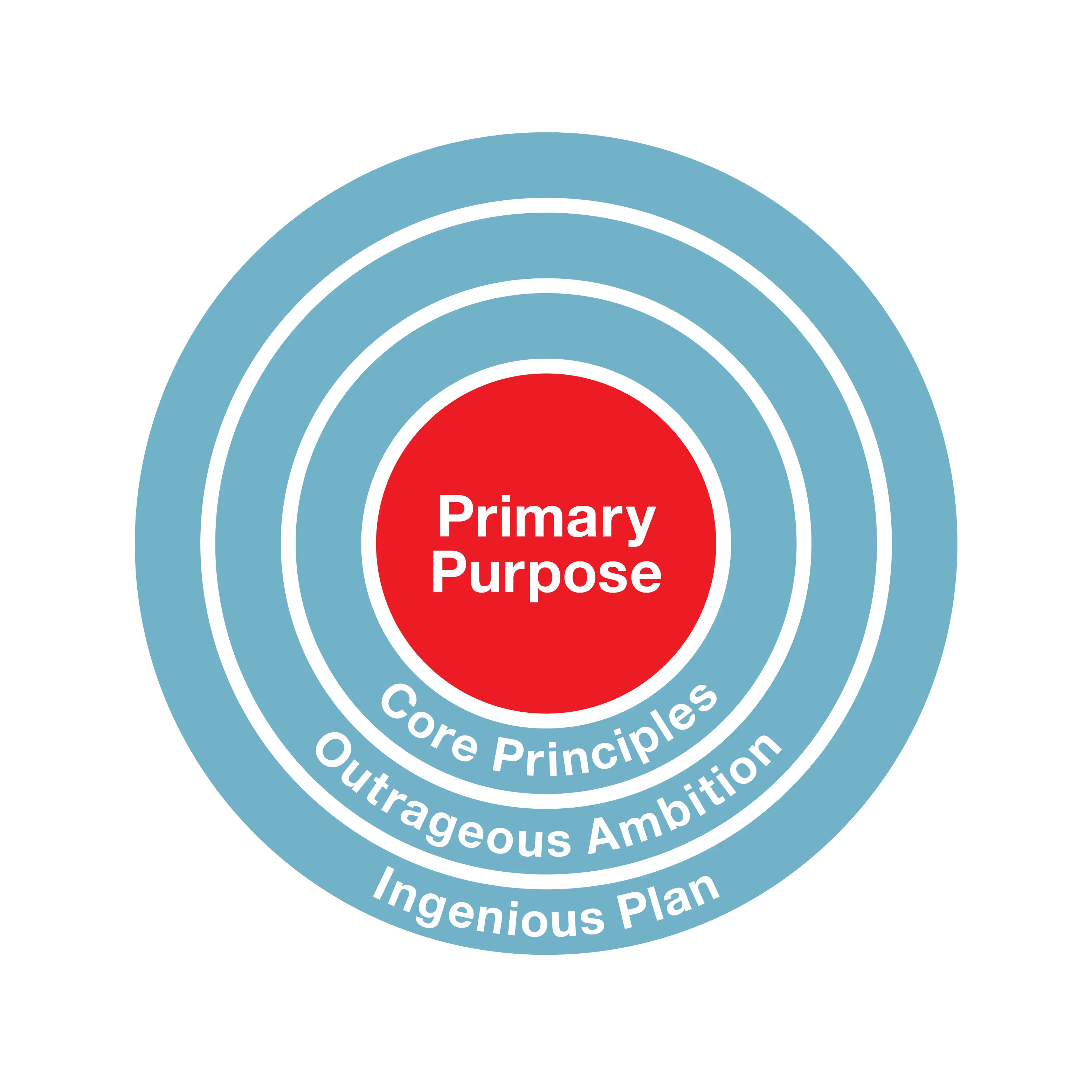
Combining over 20 years of experience and survey data, we have identified four vital elements that, when put into practice and communicated effectively through leadership and managers, ensure that your people truly understand your organisation’s purpose and their role within it.
We call this The Clarity Index.
Every organisation may have a mission statement, values, or a strategic plan—but the most successful ones go beyond just having them. They communicate strategy at every level.
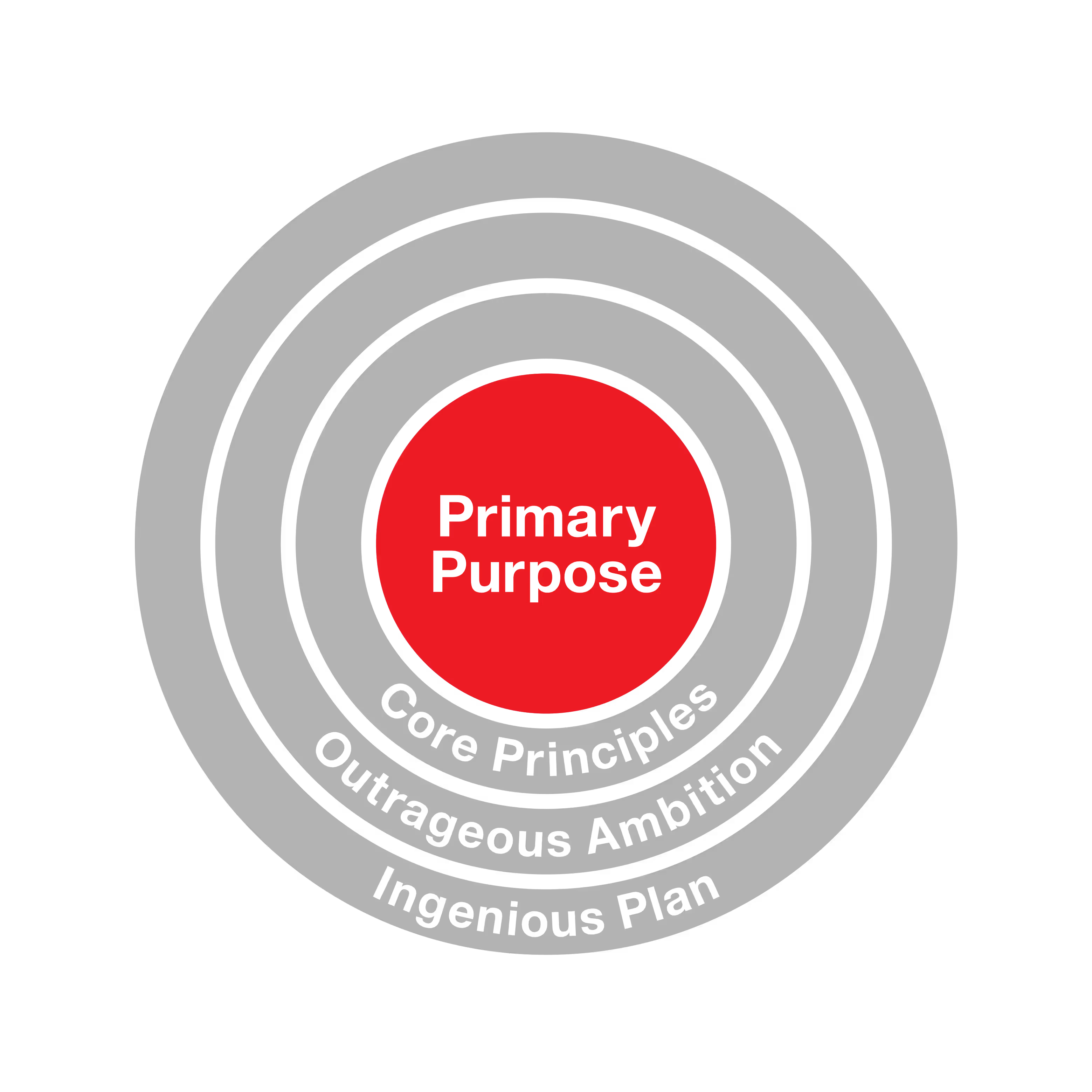
Your reason for existing—beyond profit.
A powerful Primary Purpose answers, “Why are we here?” in a way that inspires belief, not just compliance. When employees resonate with your purpose, they feel they belong and understand how they’re making a difference.
A strong Primary Purpose is:
How managers create organisational clarity: Ensure the Primary Purpose is embedded in onboarding, recognition, and performance conversations—not just printed on a poster and hung over the kettle.
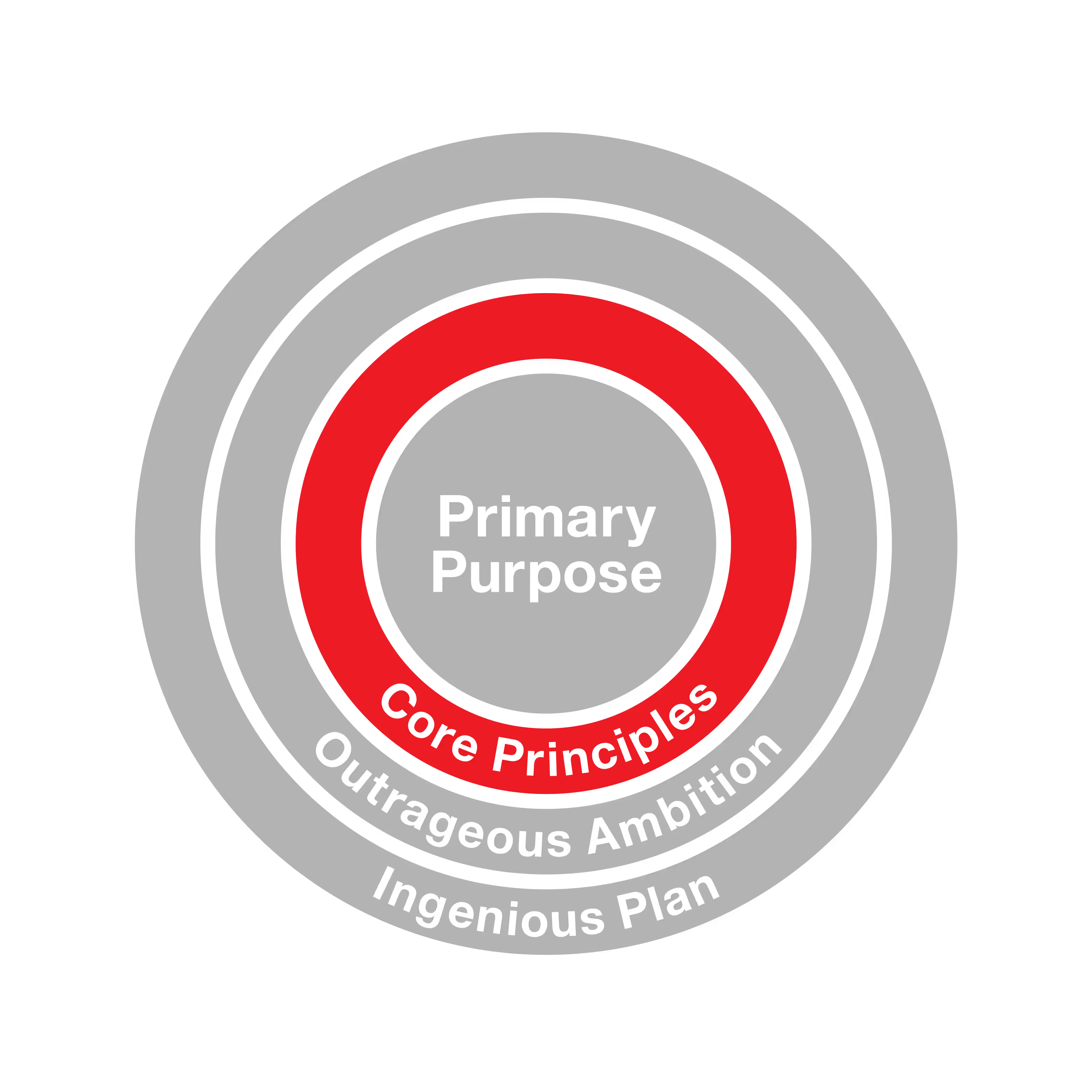
The behavioural basis of your culture.
Core Principles define the values that drive consistent, healthy behaviours across the business. Unlike KPIs, which measure what’s achieved, principles define how it gets done.
Effective Core Principles are:
How managers create organisational clarity: Employees don’t mimic PowerPoint decks - they mimic leaders. Your managers must live these values—and celebrate them out when they see them in action.
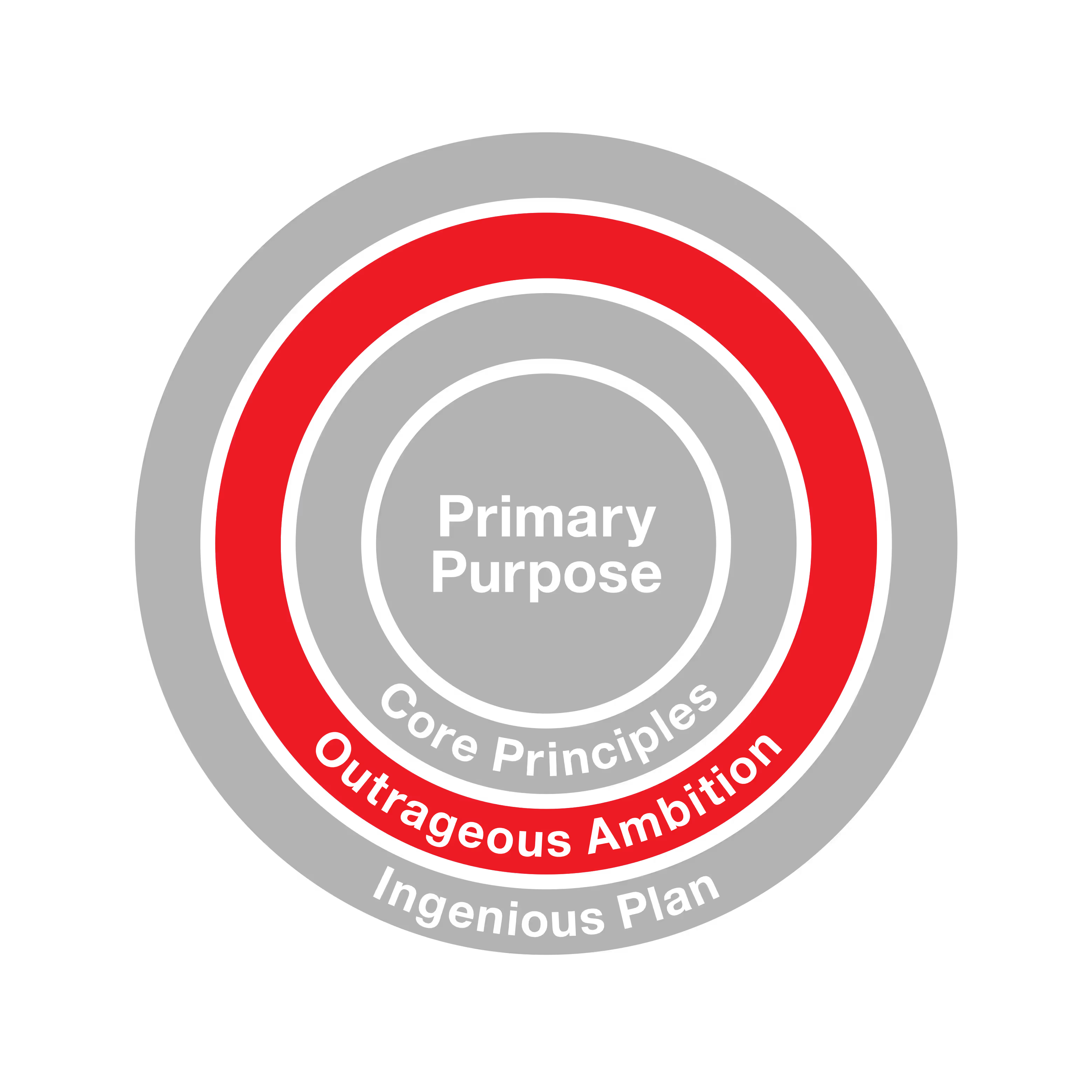
Think about a time when something in your future made you excited in the present. It could be a holiday, your birthday, or even just looking forward to pizza for dinner. This is the same principle that is behind an Outrageous Ambition; a future event that affects your current behaviour.
Outrageous Ambition paints a vivid picture of where you're going and why it's worth striving for. It aligns individual motivations with collective aspiration.
It should be:
How managers create organisational clarity: Involve employees in shaping ambition—they’re more likely to own a vision they helped craft.
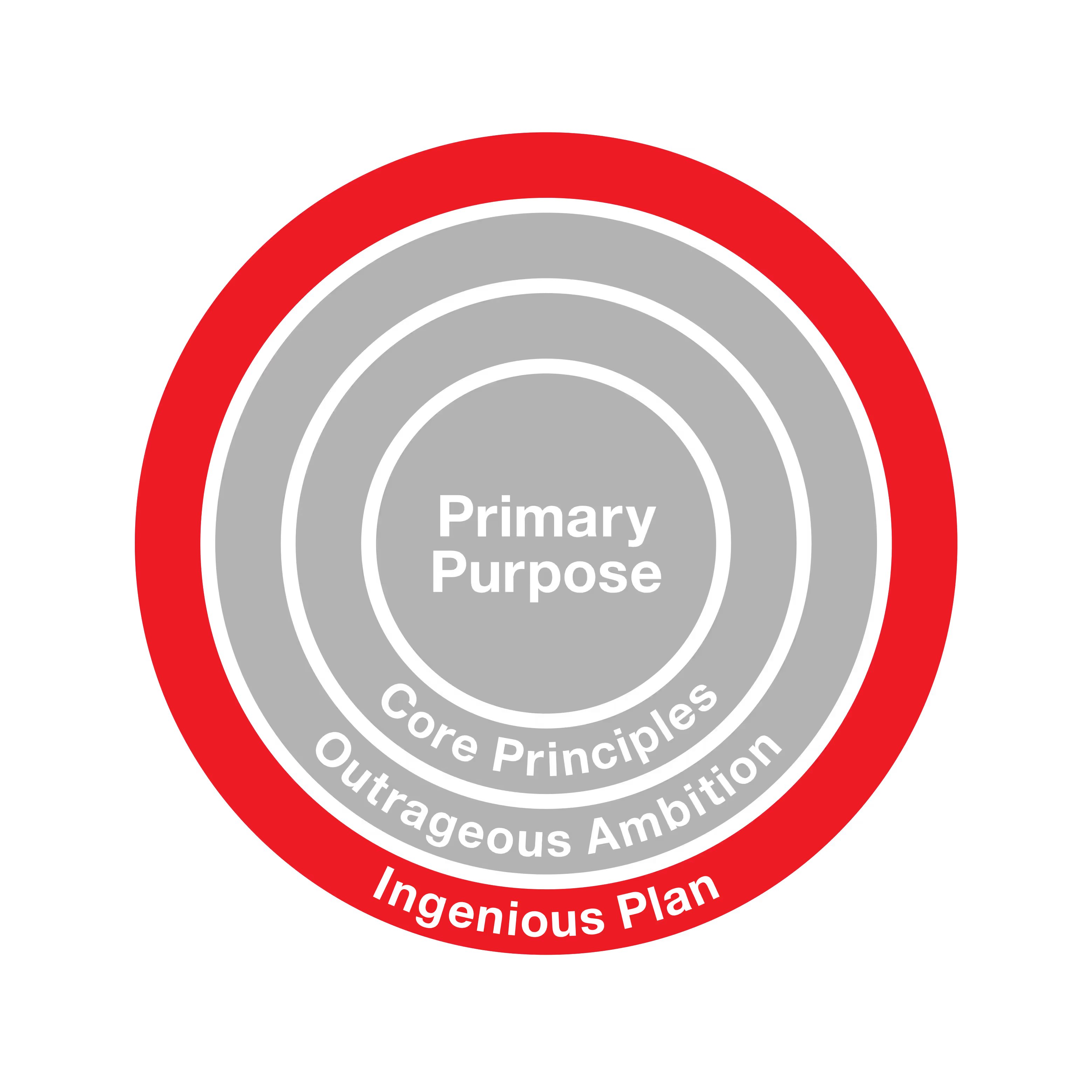
The roadmap from now to next.
An Ingenious Plan connects the dots between your Primary Purpose, Core Principles, and Outrageous Ambition. It breaks leadership strategy into action—and shows everyone where their roles fit in driving the success of the organisation.
Think of it as your cultural OKRs:
How managers create organisational clarity: The best plans fail if managers don’t know how to connect them to daily work. This is where targeted manager enablement and support—like through Elevate—makes all the difference.
If your people are disengaged or unclear on the “why,” don’t assume it’s just workload or market pressures. Declines in My Company (53% of organisations saw an average decline of –3.76%) and Leadership (59% of organisations, -3.99% average decline) scores signal something deeper: a lack of leadership alignment.
To reverse this trend, organisations must revisit their clarity framework:
And perhaps most importantly: Are our manager enablement strategies effective in supporting them to reinforce all this every day?
Organisational clarity isn’t a one-off campaign. It’s a daily discipline. It’s strategic communication through consistent messaging. Leaders must model it. Managers must reinforce it. And HR must enable both to succeed.
Elevate supports managers in making clarity stick—translating strategy into team-level conversations, coaching moments, and aligned performance. When managers create clarity, teams create results.
Learn how Elevate can help you embed clarity at every level.