
Key takeaways
- Our research identifies four essential elements for strong manager-employee relationships: Inspire and Energise, Recognise and Support, Listen and Inform, and Understand and Care.
- Managers who build meaningful workplace relationships unlock higher employee engagement, productivity, and retention.
- Yet while direct relationships with managers remain relatively strong, organisational clarity is often missing, thereby impacting how connected employees feel to the bigger picture.
- It is vital that you pinpoint where your managers are thriving and where they need support to build stronger, more connected teams.
"Communicate everything you can to your associates. The more they know, the more they’ll care. Once they care, there’s no stopping them.” – Sam Walton, Founder of Walmart
Exceptional, empathetic managers know that success isn’t just about meeting KPIs—it’s about building trust, loyalty, and connection.
When employees feel heard, valued, and supported—not just as workers, but as people—they bring more energy, ownership, and purpose to their roles. Meaningful workplace relationships are the foundation of team performance and organisational health.
Yet many organisations still rely on outdated management practices focused on task execution, not human connection. If your goal is long-term success, that needs to change, you need to be building team relationships.
But how can you empower managers to nurture these relationships?
At Best Companies, we’ve analysed data from millions of engagement surveys over more than 20 years to understand what great management looks like in practice. Our research has identified four key behaviours that have the greatest positive impact on employee-manager relationships. We refer to these deportments as The Manager Index.
This framework is the foundation of successful teams that are supported by their managers and have true clarity towards their organisation’s goals and how their role fits into driving strategies forward.
The Manager Index: Four behaviours that strengthen team dynamics

Inspire and Energise
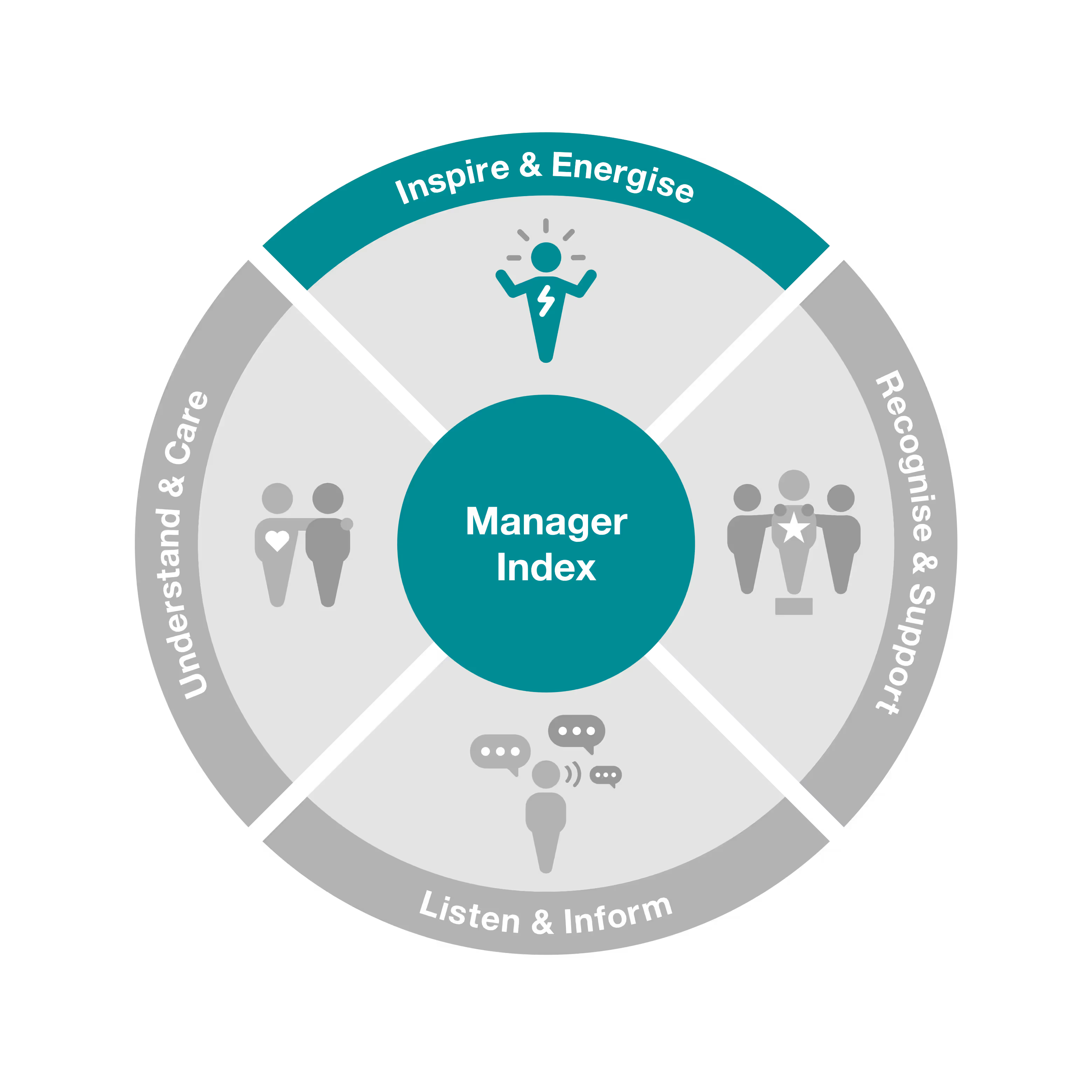
Great managers communicate vision with clarity and energy. They help every team member see how their role contributes to the bigger picture and why it matters.
This isn’t just about motivational speeches. It’s about creating urgency with direction, and empowering individuals to make decisions, take ownership, and learn from their mistakes.
Ask yourself: Would your team say you're a source of energy and inspiration?
Recognise and Support
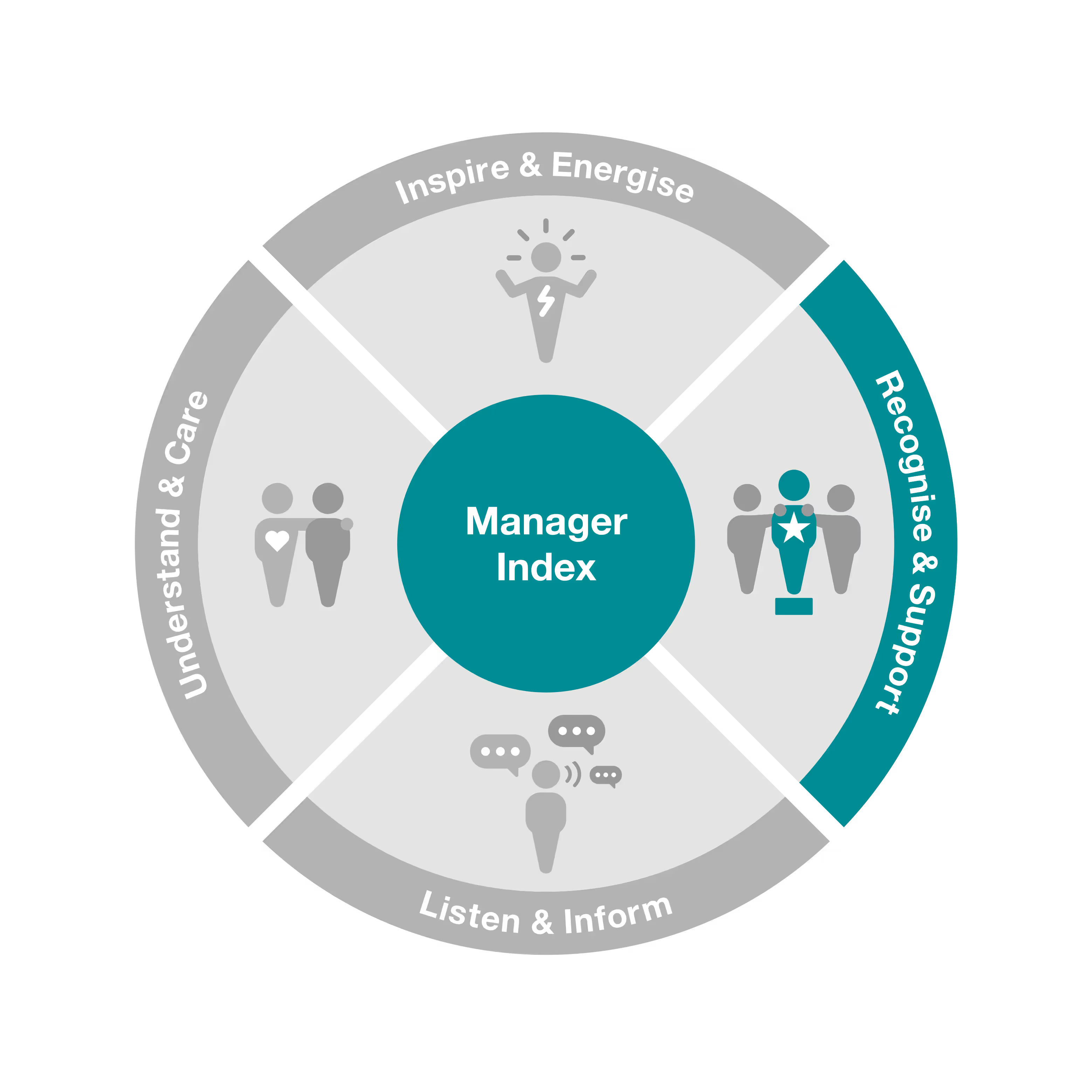
Recognition builds pride. Support builds confidence. Combined, they create a culture where people feel motivated to push themselves and supported in doing so.
Recognition doesn’t need to be grand. It’s the small, consistent signals—"thank you," “well done,” “I noticed”—that help strengthen employee-manager relationships and create a sense of being seen and appreciated.
Support can take many forms: coaching, resources, removing roadblocks. Whatever the method, the message is the same: I’ve got your back.
Ask yourself: Do you have formal and informal ways to recognise effort and provide support?
Listen and Inform
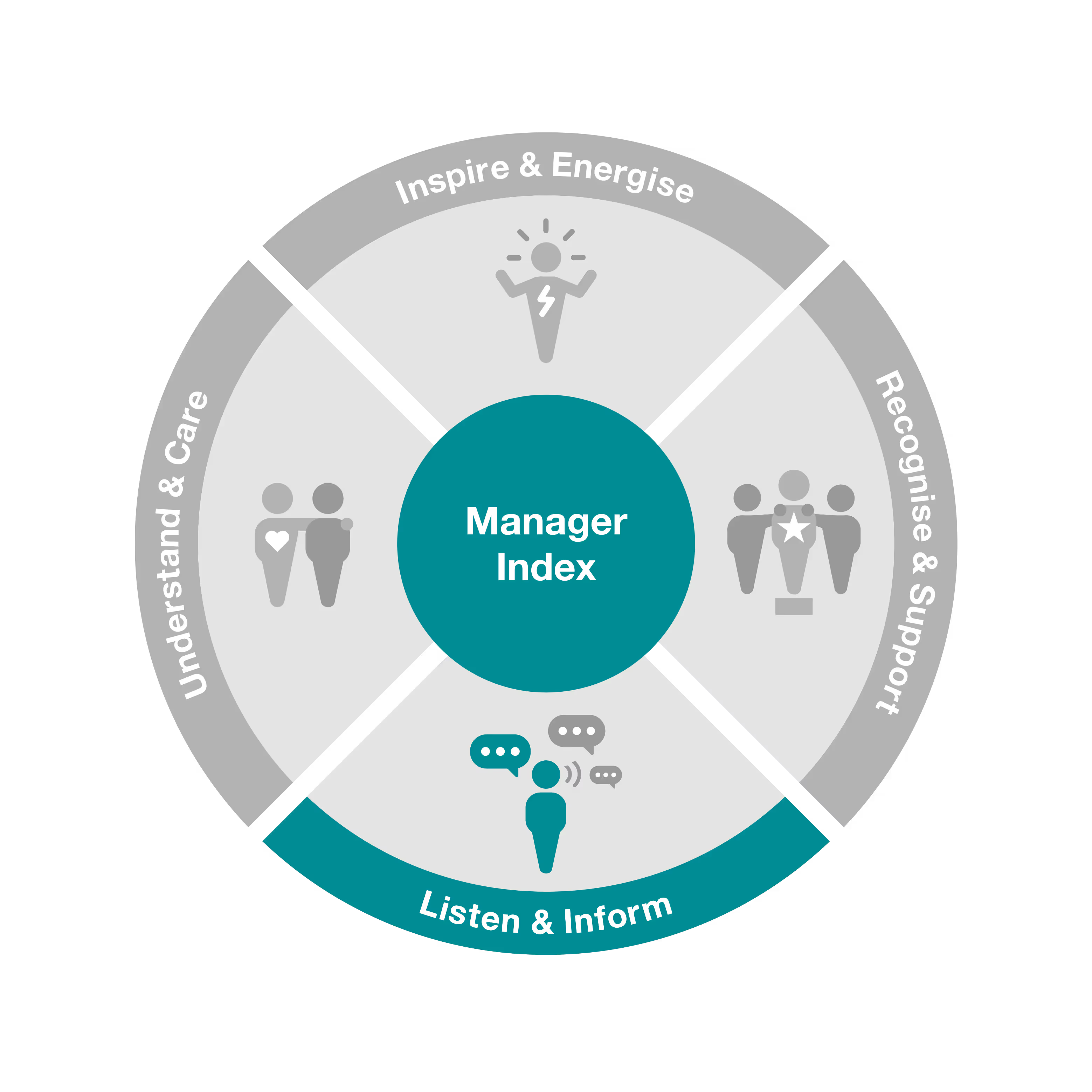
Two-way communication is essential. Managers must be able to both truly listen to and clearly inform their team, meaning that they are able to create open dialogue and share timely, transparent information.
This builds trust, alignment, and psychological safety. It also helps spot early signs of disengagement or confusion before they become real problems.
Ask yourself: How do you ensure your team feels heard?
Understand and Care
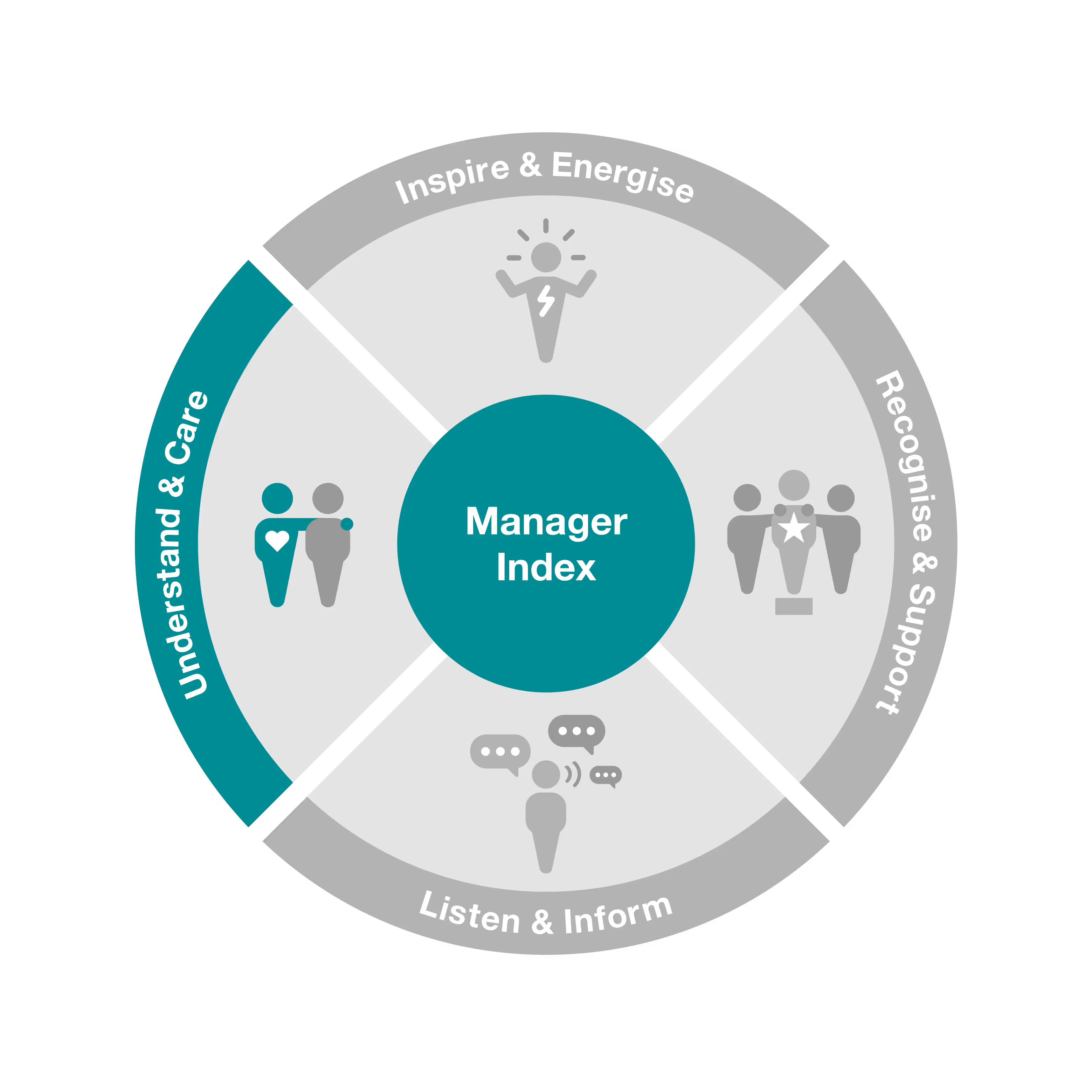
Finally, the human touch: understanding and care. It means knowing your people as individuals, supporting their wellbeing, and recognising that work is only one part of their life.
When managers empathise and people feel genuinely cared for, they are more loyal, engaged, and productive. That emotional connection can be the difference between someone doing their job and someone loving their job.
Ask yourself: What would your team say about how much you care?
What the data tells us
Our research, based on nearly 350,000 employee engagement surveys in 2024, reveals a growing gap:
Employee-manager relationships on an individual level remain strong with this factor remaining the second highest scoring overall.
But organisational clarity is slipping – 46% of organisations saw a decline in how employees felt about their organisation, with an average drop of -3.76%.
This shows a disconnect. While many managers build good team relationships, they’re often failing to communicate the organisation’s purpose, strategies, and goals effectively. Employees feel supported, but not always aligned.
This matters—because clarity is critical to motivation. Employees need to know not just what to do, but why it matters.
Bridging the gap: Relationships + Clarity
Organisational clarity starts with leadership. But it lives and breathes through managers.
Your managers are the messengers of your culture, purpose, and priorities. If they aren't clear—or can’t communicate that clarity—you’ll feel it in employee engagement and performance.
That’s why strengthening manager enablement isn’t just about soft skills—it’s a strategic necessity.
How Elevate can help
Elevate is built to help managers nurture meaningful workplace relationships, communicate purpose, and create clarity across your organisation.
With the People Leadership Index at its core, Elevate enables you to:
- Identify strengths and gaps across your management population
- Track improvement over time, with clear data-driven insights
- Support every manager to grow in the areas that matter most
Start building stronger employee-manager relationships—and stronger performance—today.
Discover how Elevate supports manager effectiveness.
