State of Engagement 2026 Report |
Download report

Key Data:
Employee Engagement surveys are more than a ‘box-ticking’ exercise or a once-a-year temperature check that ends with a PDF buried in a manager's inbox. Rayner Essex is a powerful example of the success organisations can achieve by treating engagement data as a catalyst for change rather than an end goal in itself. This accountancy and advisory firm has seen a meteoric rise from a Ones to Watch in 2023 to a 1-Star rating in 2025 and now achieving an outstanding 2-Star accreditation in 2026.
We sat down with Joanna Shurety (HR Manager), Nicola Thurston (HR Manager), and Jenny Tryfonos (Marketing Manager) to discuss how a commitment to "internal improvement over external perception" transformed their workplace.
The decision to partner with Best Companies was born from a realisation that the firm’s previous methods for measuring workplace culture had begun to lose impact. Rayner Essex previously worked with another third-party survey provider, but the leadership team felt the process had become too routine to drive meaningful change.
"It was done for internal purposes", Nicola Thurston explains. "While we celebrate receiving awards and star ratings, the reason for us being part of Best Companies is to drive internal improvements. The partners wanted to see more targeted insight into areas where we could introduce meaningful change."
The transition provided a wake-up call. "You think you know what your employees think, but until you actually do the targeted survey, you don’t really know", Nicola adds. "What’s been brilliant is that because of the way it’s broken into categories, it gives us really targeted areas that we can focus on. That is what has really led to the clear progression: understanding what people want and then looking at how we can actually implement it."
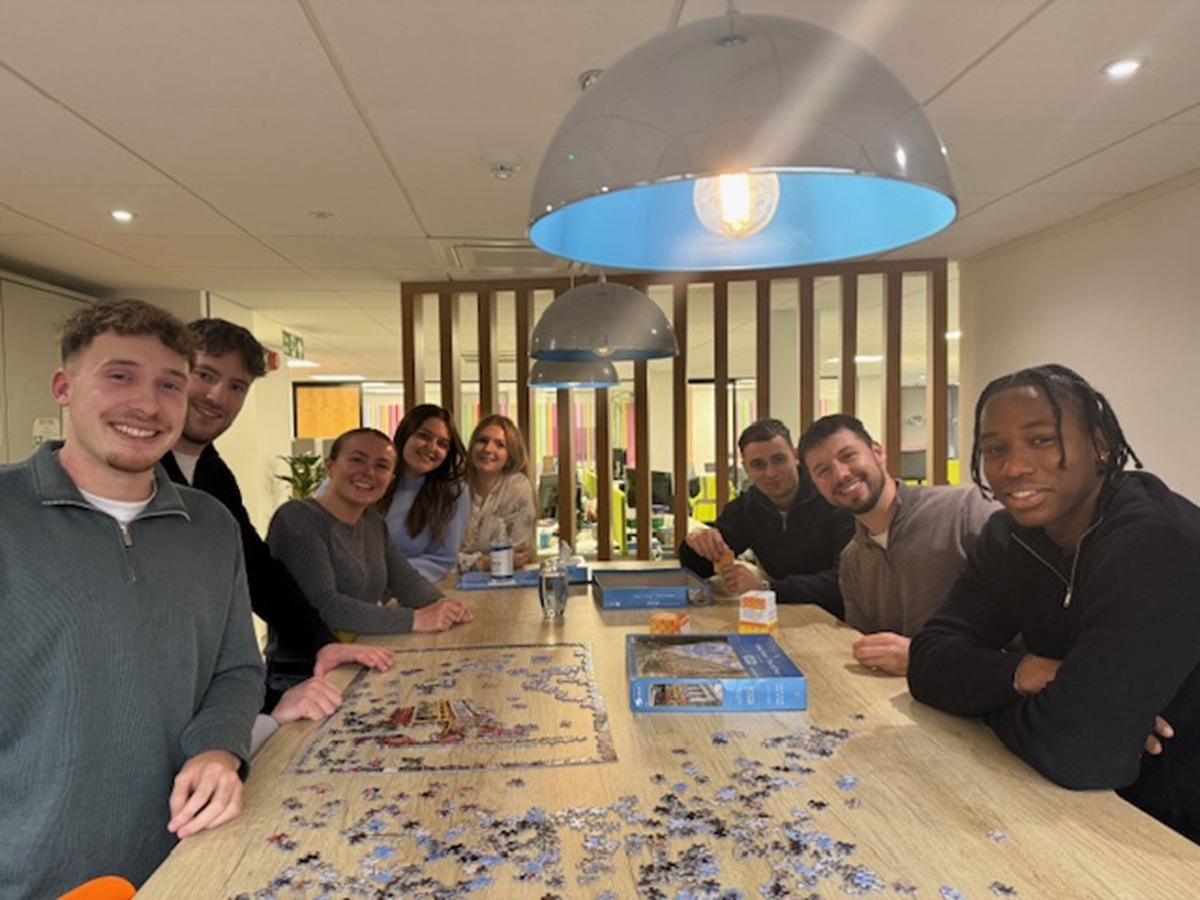
In 2023, Wellbeing was identified as a lower-scoring Factor for the firm. Rather than ignoring the data, the HR team, bolstered by the arrival of Joanna Shurety in 2024, decided to weave wellbeing into the very fabric of the firm's daily operations. The results speak for themselves: a 13% increase in Wellbeing scores since 2023, placing the firm 3% above the accountancy sector average.
"Joanna has brought this forward massively", Nicola notes. "We introduced targeted strategies and took a holistic approach to wellbeing focusing on mental, physical and social health. We’re working to ensure wellbeing becomes embedded within the culture of the firm, forming a consistent thread throughout the business, rather than a series of standalone initiatives."
The firm’s approach ranges from high-energy challenges to quiet, mindful moments:
Jenny Tryfonos highlights that these initiatives aren’t just top-down mandates: "We’ve got a wellbeing committee, with people of all ranks and from various departments, where we all share ideas and have an input. We all then agree on the annual roadmap and look forward to making it all happen, and it’s keeping that communication fluid within the firm. It’s something everyone really looks forward to."
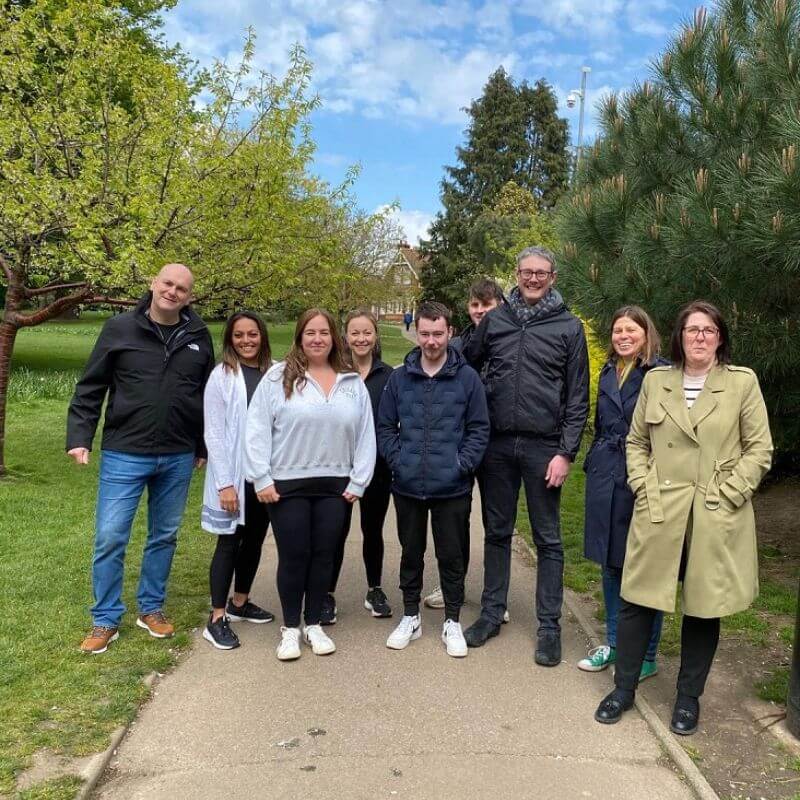
A significant influence in the 10% rise in the My Team factor has been the focus on inclusivity and humanising leadership. By engaging in shared activities, the ‘them and us’ mentality often found in professional services has begun to dissolve.
"When you’ve got lots of different levels of people answering the same questions about themselves - where they grew up, what they did, things they’re worried about - people become less nervous about approaching personal subjects with their seniors", says Joanna.
Jenny agrees, noting that this transparency starts at the top: "From partners down, we’ve made it clear that we’re here to listen. We believe a happy workplace creates a more productive and engaged team. We run team stories on a regular basis, from apprenticeship level to senior levels, and what comes out as a common theme, is that people feel absolutely supported throughout their journey".
Rayner Essex has outperformed its peers in the Fair Deal Factor, sitting 4% above the sector average. This success is rooted in two areas: transparent pay structures and employee flexibility.
For trainees, the firm operates a six-month salary review cycle. "It’s considered against their study performance and their performance within the job", Joanna explains. "It’s done every six months so people can feel their salaries are progressing while they’re training. If they aren’t progressing, they understand why because there are regular conversations."
For qualified staff, the firm conducts extensive salary market research to ensure they remain competitive. "If necessary, we move people based on that research. We also look extensively internally, because frustration is often caused if people think they aren’t paid fairly relative to their colleagues."
Rather than a ‘one size fits all’ hybrid work policy, Rayner Essex empowers individual teams to decide what works for them.
"It’s about not enforcing something on people", Nicola says. "We look at what you’ve got to do as a team, and you agree as a group what is going to make that workable."

Perhaps the most critical part of the Rayner Essex story is what happens after their survey results come in. The data isn't just a score; it's a conversation starter. The firm holds workshops with every team to "drill into the response".
"You can see the response, but you don’t necessarily know what’s behind the response", Nicola explains. "We ask: What is it about your manager or team that makes that a good scorer? What would you be sad if it stopped happening? And on the flip side, what one or two things could start that would actually improve that score?"
Rayner Essex’s rise to a 2-Star rating is not an accident; it is the result of a deliberate, data-driven strategy that values the employee voice and feedback as much as the balance sheet and performance. By focusing on targeted improvements, fostering a genuine sense of community and redefining the traditional Fair Deal, they have built an environment where people genuinely thrive.
As the business looks toward the future, the commitment to continuous improvement remains the same. "We’re thrilled with the progress we’ve made", Nicola concludes, "But now we’re at the stage of diving back into the data again to understand it even better. It’s an ongoing process. We want to continue building on what we’re already doing well, while always looking for ways to move forward."
Antony Federer, Staff Partner at Rayner Essex also added, “We’ve always believed that strong businesses are built by people who feel valued, supported and empowered to grow. Creating a strong culture is not something you achieve once and move on from; it requires continuous listening, learning and improvement. We’re proud of how far we’ve come, but we see culture as an ongoing commitment and one that will continue to shape the future of Rayner Essex.”