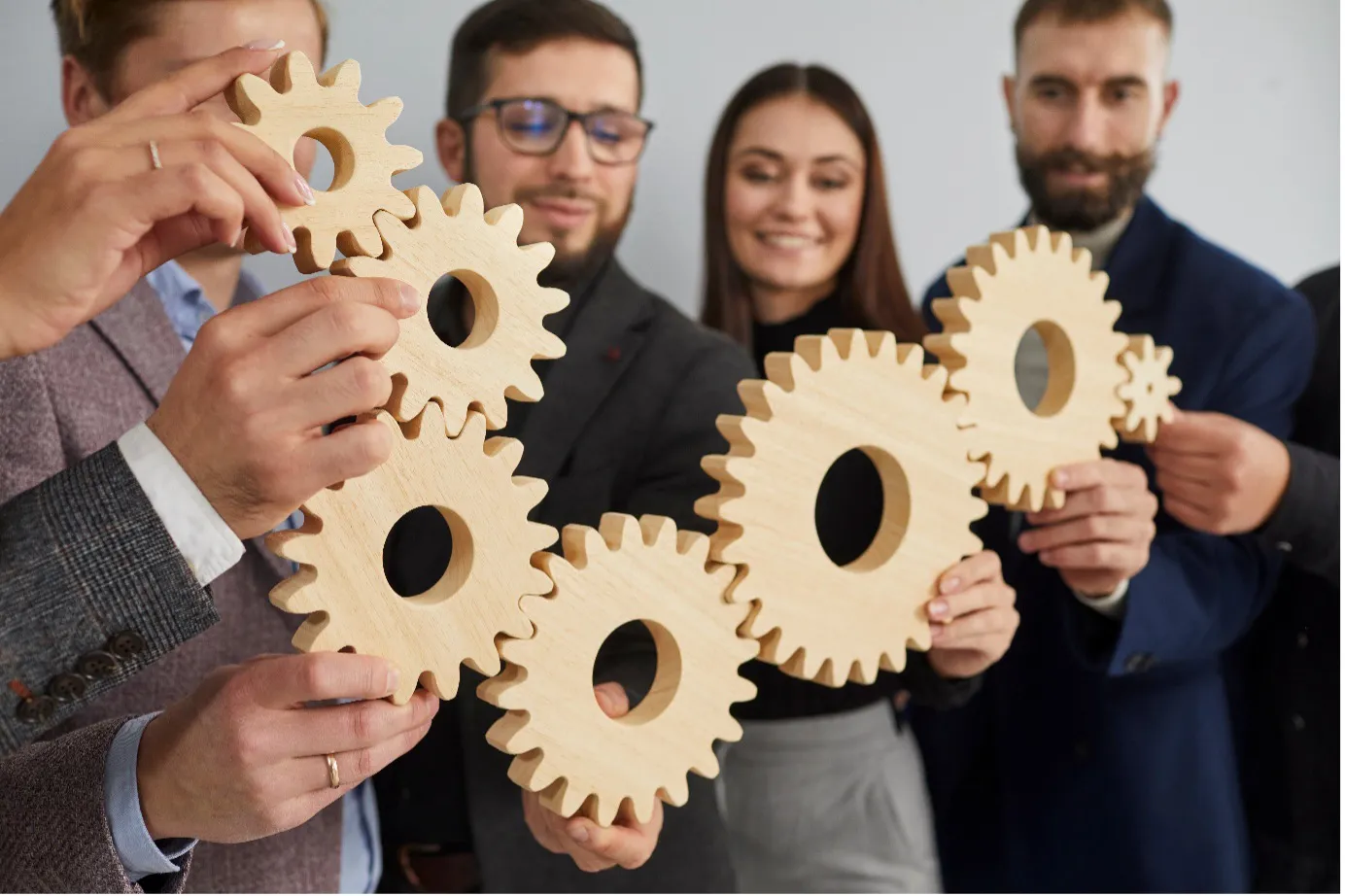
From 2020 to 2025, the industrial world was obsessed with Industry 4.0. We focused on the ‘smart factory’, where the Internet of Things (IoT), Big Data and total automation promised a world of efficiency. But as the dust settles on the fourth industrial revolution, a critical "missing link" has emerged: the human element. Purely algorithmic decision-making and cold automation have often led to worker alienation and a rigid lack of adaptability.
Industry 5.0 is the logical next step. It is not a replacement for the technology of 4.0; rather, it is a re-alignment. It moves beyond efficiency for efficiency’s sake to place Human-Centricity, Sustainability and Resilience at the core of organisational processes.
Following these tenets of Industry 5.0 are vital for organisations in their creation of a future-ready workforce.
In this article, we are going to discuss the Human-Centric aspect of Industry 5.0.
Putting People First
While Industry 4.0 asked "How can a machine do this faster?", Industry 5.0 asks "How can this process serve the person doing it?" This human-centric approach rests on four specific goals:
- Worker wellbeing: The metric of success is shifting from "productivity at any cost" to "productivity through a healthy, happy workforce”. A burnt-out employee is a failure of an unsustainable system, not a byproduct of success.
- Empowerment through augmentation: Instead of replacing a craftsman with a machine, Industry 5.0 uses technology to amplify that craftsman’s talent by minimising menial, administrative tasks, freeing up more time for the worker to focus on more complex and creative tasks.
- Streamlining information: Industry 5.0 tools are designed to filter the noise of Big Data, delivering only the most critical intelligence. This prevents burnout and ensures that workers can make high-stakes decisions without being overwhelmed by too much information.
- Talent Diversity: Technology is becoming an equaliser. Exoskeletons allow older workers to perform physically demanding tasks without injury, while intuitive, gesture-based interfaces make complex machinery accessible to those without deep technical backgrounds.
In the Office: The Generative AI Partner
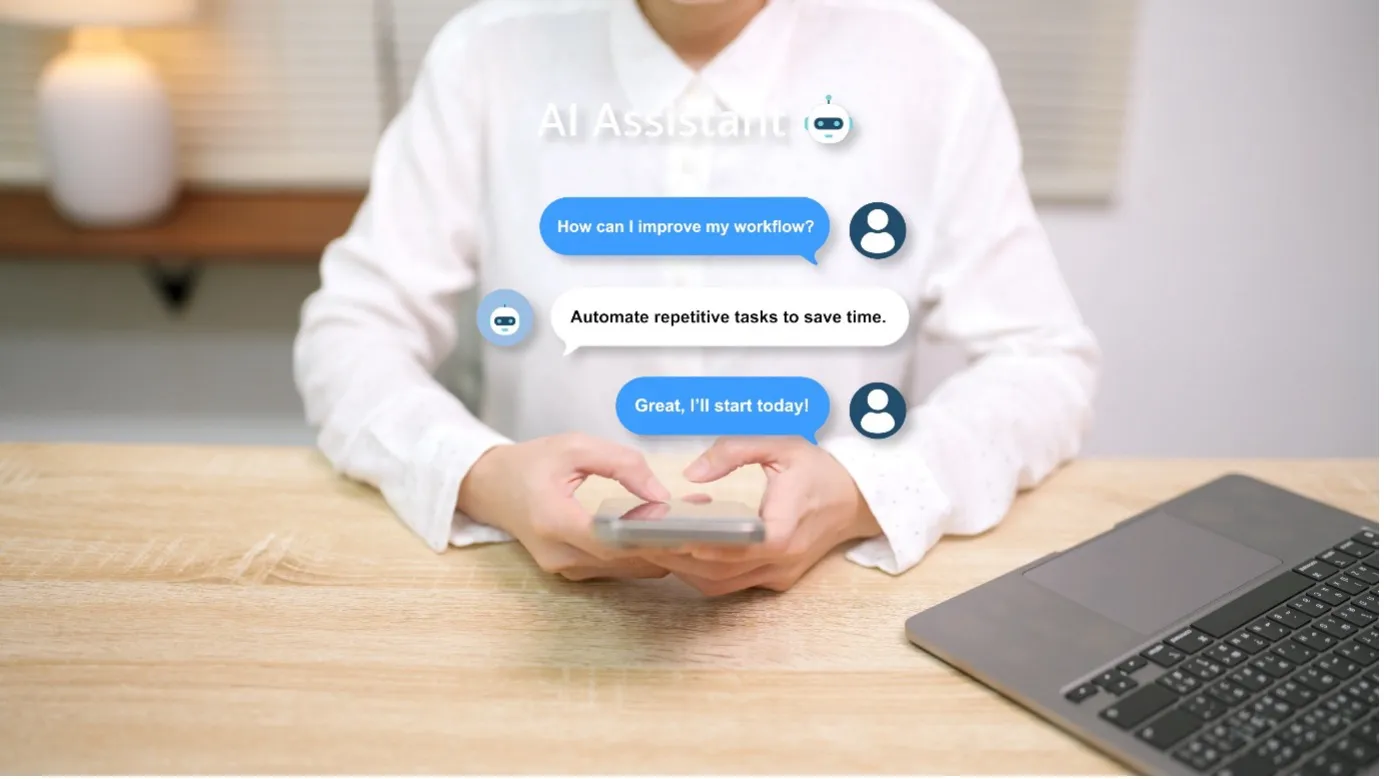
For office-based employees, Industry 5.0 is defined by the move from ‘AI as a tool’ to ‘AI as a colleague’. The goal isn't to use AI to churn out more emails; it’s to use it to reclaim human time for more critical tasks.
- From content generation to intellectual curation: In 4.0, we feared AI would replace writers, coders and analysts. In 5.0, the human’s role shifts to the Curator. LLMs handle the first draft or the initial data crunch, while the person provides the strategic nuance, ethical vetting and the brand’s voice that an algorithm cannot properly emulate.
- The ‘Agentic’ workflow: We are moving away from simple chatbots toward AI Agents that understand long-term goals. A human oversees these agents, focusing on high-level problem solving while the AI manages the administrative friction.
- Preventing the digital assembly line: There is a risk that AI makes office work feel like a 24/7 data-entry marathon. Industry 5.0 office culture uses AI specifically to reduce administrative busyness by automating meeting notes and scheduling so employees can return to the collaborative, face-to-face creative work that drives an organisation forward.
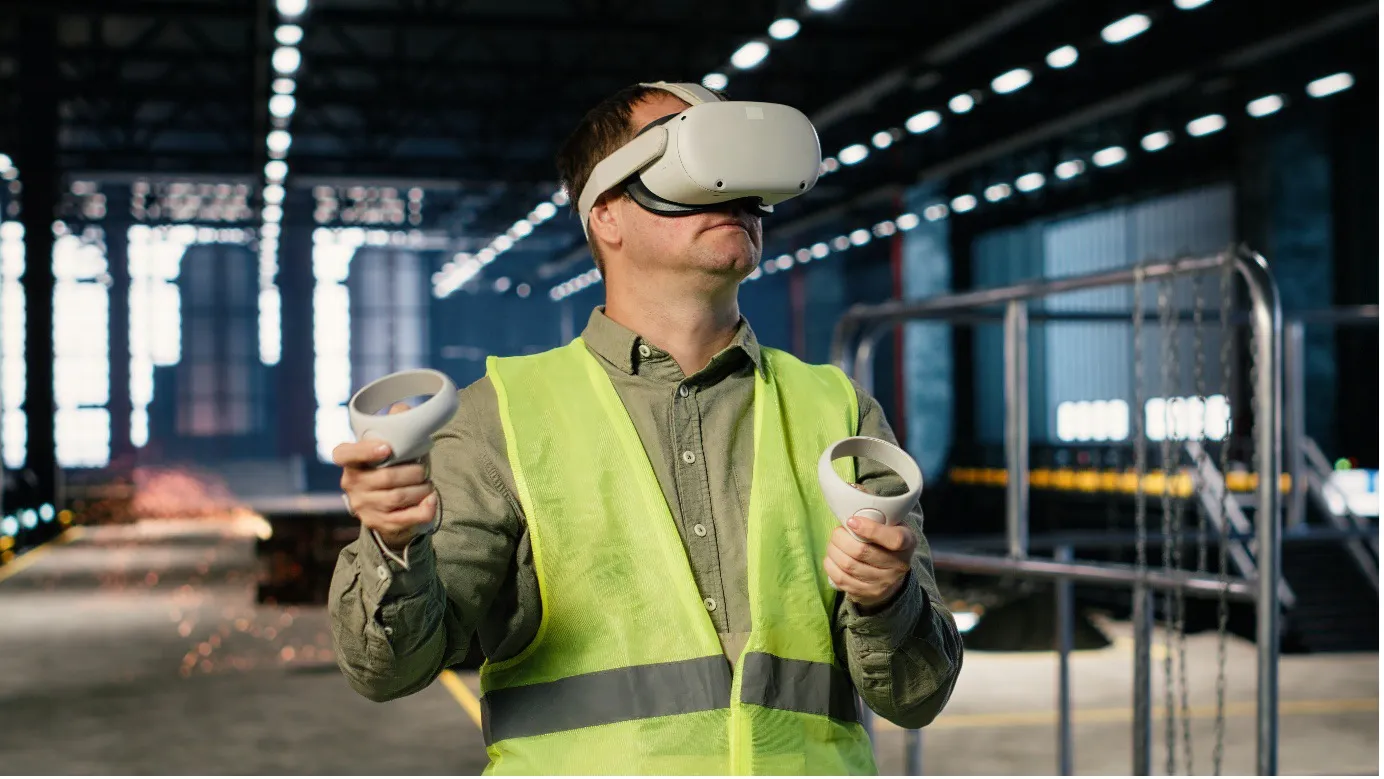
In the Factory: From "Cobots" to True Collaboration
Previously, robots were often bolted to the floor behind safety cages. In Industry 5.0, the cage is gone. We have entered the age of the Cobot (Collaborative Robot).
The New Coworker
Modern cobots are equipped with advanced sensors and AI that allow them to perceive human presence. They don't just follow a script; they understand intent. If a worker reaches for a tool, the cobot can anticipate the movement and get out of the way or hand them a component.
The "Human Touch"
There are things AI simply cannot replicate: the nuance of luxury craftsmanship, the empathy required in personalised medicine, and the intuition needed to troubleshoot a unique mechanical ‘hunch’. Industry 5.0 reserves the repetitive, dangerous tasks for the robots, saving the high-value customisation for the human mind.
Upskilling the new workforce
The transition to Industry 5.0 requires a fundamental shift in what it means to ‘work’. The manual labour of the past is evolving into system oversight and creative problem-solving.
- Lifelong learning: As technology evolves faster than traditional degree cycles, continuous, on-the-job training becomes the new norm.
- Psychological Safety: To move past the "AI is taking my job" anxiety, companies must demonstrate that 5.0 creates better jobs; roles that are safer, more intellectually stimulating and more secure.
The Future of Work
The most successful companies of the next decade won't be those with the fastest processors, but those that treat their people as their most sophisticated technology.
Industry 5.0 is, in many ways, a homecoming. It acknowledges that while machines are excellent at providing the ‘how’, only humans can provide the ‘why’. By bringing the human spirit back into the heart of the workplace, we’re building teams and individuals that are prepared for, and able to adapt to, the challenges that the future will bring. Only this way can organisations create a truly future-ready workforce.
Industry 5.0 sees the transition from the cold automation of Industry 4.0 to a human-centric philosophy where technology serves the worker, not the other way around. By prioritising worker wellbeing and empowerment through augmentation, this new era uses AI and robotics to strip away menial administrative friction, freeing people to focus on high-value creativity and strategic problem-solving. The goal is to amplify human talent rather than replace it. Ultimately, building a future-ready workforce means treating people as an organisation's most sophisticated technology, ensuring that while machines provide the how’, humans are empowered to provide the ‘why’.