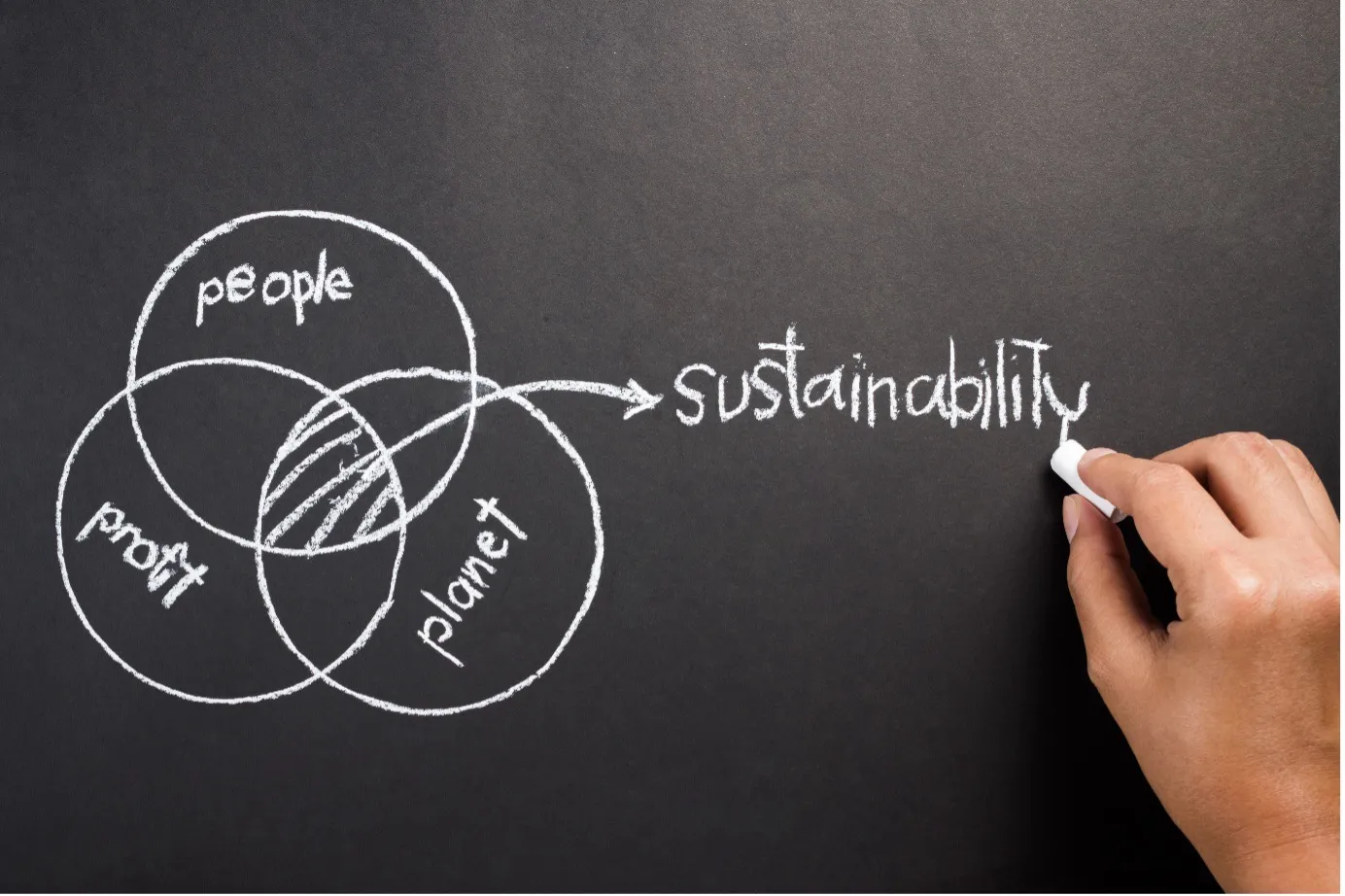
The transition from Industry 4.0 to 5.0 marks a move from technology-driven systems to value-driven ones. While 4.0 was about the Internet of Things and hyper-connectivity, Industry 5.0 prioritises the synergy between human creativity and machine precision.
This new industrial age rests on three core elements:
- Human-centricity: Putting human needs and interests at the heart of the production process.
- Resilience: Building systems that can withstand and adapt to global shocks.
- Sustainability: Designing processes that respect planetary boundaries.
In this article, we are going to look at the element of Sustainability. Sustainability is no longer a side-effect of efficiency or a PR-friendly add-on; it is the core design requirement of a future-ready workforce.
Furthermore, the latest generation of workers are more environmentally conscious than ever before, with many looking to see what an organisation’s Environmental Social and Governance (ESG) policies are before applying for positions. For those organisations wanting to attract the best talent, having a focus on ESG is vital.

The Shift from Linear to Circular Systems
The traditional industrial model (take, make, dispose) is fundamentally broken in a world of finite resources. Instead, Industry 5.0 focuses on how organisations can create a circular system where materials can be reused or recycled to minimise waste and create a greater lifecycle for equipment, tech and resources. Some examples of examples of how organisations are doing this are:
- Recycling: Beyond basic sorting, Industry 5.0 utilises robotic systems to identify and separate materials at a granular level. This ensures that recycled materials maintain high purity, allowing them to be fed directly back into the beginning of the production line rather than being downcycled.
- Predictive Maintenance: Instead of replacing machines when they break (creating waste), AI predicts failures before they happen, drastically extending the lifespan of industrial equipment.
- Restorative Projects: We are moving toward systems that don't just ‘do less harm’ but actually restore ecosystems. Many organisations support charities whose focus is on restoring or protecting our woodland, oceans and other natural causes.
Energy Efficiency
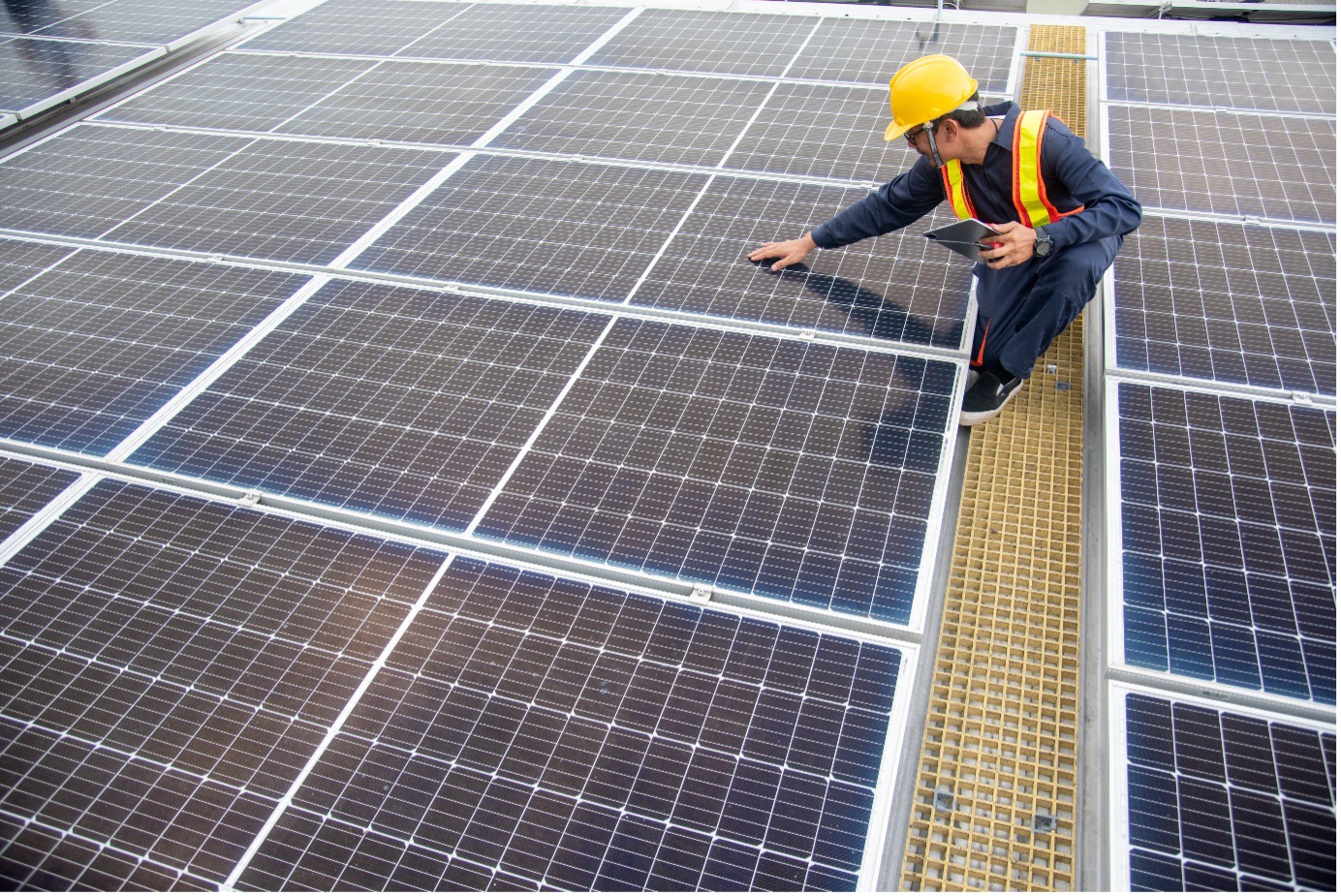
Modern organisations prioritise resource greener initiatives through a combination of renewable energy integration and management:
- Green Energy: Advances in green energy technology, such as solar panels and heat pumps, means that it is easier than ever for organisations to find greener sources for their energy needs.
- Decarbonisation: Industry 5.0 uses real-time analytics to shift times of heavy energy usage to times when renewable energy (solar/wind) is at its peak.
- Smart Grids: Large industrial plants are no longer just energy consumers; they are storing energy in battery arrays and feeding it back to the community during shortages.
Supply Chain Sustainability
Globalised supply chains are efficient but can create environmental and societal challenges. Industry 5.0 encourages finding ways to ensure that production is both ethical and environmentally friendly.
- Micro-factories: By moving production closer to the consumer through localised "micro-factories," companies can drastically reduce the carbon footprint of logistics.
- Blockchain Transparency: This technology provides an immutable ledger for ethical sourcing, allowing consumers to verify that raw materials were harvested without child labour, deforestation or illegal farming, hunting or fishing.
Challenges and the Path Forward
The road to Industry 5.0 isn't without its speed bumps. There are several challenges that organisations need to overcome to make themselves for sustainable:
- The Cost Barrier: The initial investment in green technology and AI-integrated hardware remains high for Small and Medium Enterprises (SMEs).
- The Data Problem: We must ensure that the massive energy required to run data centres for AI doesn't outweigh the energy saved on the factory floor.
- The Business-As-Usual Mindset: Sustainability often requires a fundamental rethink of the business model as short-term financial KPIs often conflict with long-term sustainability goals, and many managers are still incentivised based on volume and speed, which can directly contradict waste reduction and resource conservation efforts.
Creating a Sustainable Future
Industry 5.0 represents a fundamental shift in the definition of success. It aligns profitability with planetary health, proving that the most competitive companies of the future will be those that protect the environment and empower their people by creating a future-ready workforce and workplace.
By moving away from ‘take-make-dispose' models toward circular systems, energy efficiency and transparent supply chains, organisations are discovering that sustainability is no longer a peripheral PR tactic, but a core requirement for commercial resilience. This isn't just a technological upgrade; it’s a cultural shift toward ‘Profit with Purpose’. Central to this evolution is the development of a future-ready workforce. With more and more employees wanting to work for organisations that take their ESG responsibilities seriously (measured by Best Companies as the ‘Giving Something Back’ factor), failing to do so can leave your business at a competitive disadvantage.