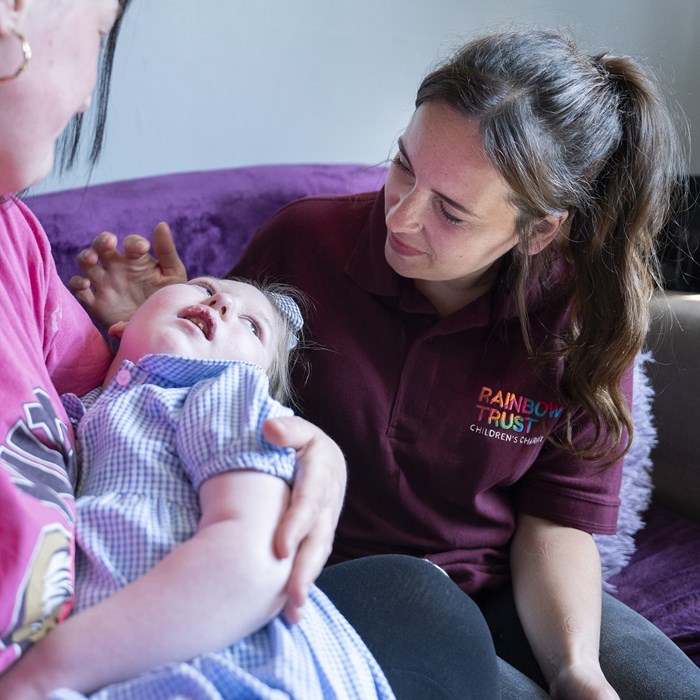
For 40 years, Rainbow Trust Children’s Charity has provided bespoke emotional and practical support to families caring for a child with a life-threatening or terminal illness. Founded in 1986 when a neighbour stepped up to help a family in need, the charity’s mission has remained unwavering: delivering tailored, family-led care wherever and whenever it is needed most, whether in hospitals, in the community or inside the family home.
Today, Rainbow Trust supports around 1,600 families across the country. Operating without statutory government funding, the charity relies entirely on public support and fundraising to generate its nearly £6 million annual turnover.
Maintaining high employee engagement in an environment driven by high emotional demands and tight charity budgets requires extraordinary dedication. The charity harbours an ethos of being people first and employees second, and by prioritising active listening, manager empowerment and proactive mental health support, Rainbow Trust ensures its teams feel valued, supported and connected to the charity's core purpose.
Preserving Purpose and Staying True to Core Values
Reflecting on four decades of service, Gina Hudson, Director of HR and Volunteering, notes that Rainbow Trust’s greatest achievement is its steadfast commitment to its founding ethos.
"We have always remained true to who we are, why we do it and who we do it for", explains Gina. "There is nobody else that does what we do. Our support is completely led by each individual family. We can support a sick child, a sibling, a parent or a grandparent, in hospital or at home."
This adaptability was put to the test during the pandemic, when the charity pivoted overnight to virtual support. Independent research by the Open University subsequently showed that Rainbow Trust's online interventions delivered equal impact, allowing workers to reach geographically isolated families who otherwise would have received no support at all.
Despite expanding to ten regional care teams alongside its Leatherhead head office, Rainbow Trust maintains a unified culture through its "One Team" approach. To foster mutual understanding across departments, the charity runs a cross-organisational buddy system where non-care staff (such as finance or fundraising teams) shadow Family Support Workers in the field or attend family events.
"It helps our less frontline members of staff see firsthand the difference the charity makes to people’s lives", says Gina.
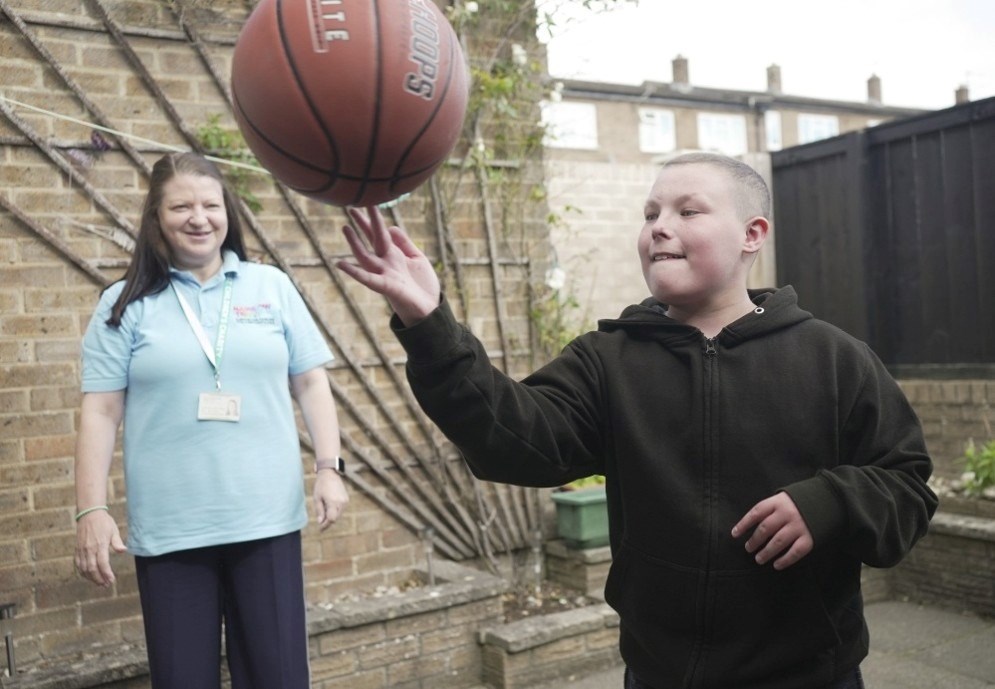
Tackling Compassion Fatigue: A Proactive Duty of Care
In the social care and charity sectors, care workers face significant risk of emotional burnout and compassion fatigue. Family Support Workers at Rainbow Trust manage intense caseloads of 20 to 25 families, often simultaneously navigating end-of-life care, bereavement support and sibling activities.
"Compassion fatigue is very real", stresses Gina. "Our staff care so deeply about the families they support that it can be very difficult for them to say no. We don’t believe in scrimping on support for staff."
To address this challenge head-on, Rainbow Trust has embedded structural psychological safeguards into its core operational model:
- Mandatory Non-Managerial Supervision: Unlike standard Employee Assistance Programmes or ad-hoc signposting, Rainbow Trust funds compulsory monthly sessions with an external professional counsellor for all care staff. This provides a safe, confidential space outside line management to process grief, trauma, and emotional overload.
- Weekly In-Person Peer Support: Because Family Support Workers spend most of their time as lone workers in the field, weekly team meetings at regional hubs are compulsory. These sessions give workers space to offload, debrief and receive peer support.
- 24/7 Support Networks: Care staff have access to an on-call manager system outside regular office hours, an EAP with unlimited mental health counselling and access to virtual GPs.
- Tailored Manager Training: Line managers receive specialised training on managing stress, ensuring early indicators of distress or fatigue are caught quickly and tailored line manager mental health training is currently being rolled out across the organisation.
- A cross-organisational wellbeing group is also in place to address wellbeing concerns and to promote open and supportive discussion about physical and mental health.
This level of structured, mandatory psychological care is exceptional within the sector. Furthermore, any head office staff who visit families to capture stories or shoot campaign videos are also able to access the same counselling support if needed.
Fostering Connection, Recognition and Open Communication
To keep a geographically dispersed team engaged, Rainbow Trust combines structured feedback frameworks with informal, transparent touchpoints.
Communication is facilitated through several cross-departmental initiatives:
- Quarterly All Employee Calls: Virtual sessions hosted by SLT to share information, provide organisational updates and as an opportunity for suggestions or questions.
- Informal SLT Chats: Open, quarterly virtual drop-in sessions hosted by members of the Senior Leadership Team with no set agenda, allowing staff to ask candid questions.
- In-Person SLT Roadshows: Once a year, executive leaders travel to all nine regional care hubs over a three-week period to meet teams directly and discuss local concerns.
- Annual Staff Conference: A nationwide gathering of all employees held in London featuring staff presentations, family guest speakers, strategic updates and peer-led workshops.
- Predictive Indexing: Used for over 15 years during recruitment and ongoing team development, this tool maps employees' workplace drives and communication preferences to reduce friction and build high-performing team dynamics.
Employee recognition is equally vital. Through the peer-nominated Star of the Month initiative, staff highlight colleagues who exemplify core charity values like Inspired Determination. Monthly winners are celebrated across internal communications, with an Employee of the Year awarded at the annual conference.
How Best Companies Data Powers Rainbow Trust's Engagement Strategy
Rainbow Trust has surveyed its workforce with Best Companies for 14 consecutive years. Far from being a passive benchmarking exercise, the survey data serves as the foundation for the charity's overall People Strategy.
"Don't ask questions you don't want feedback to and aren't going to act on", Gina emphasises. "The survey is an honest barometer of how staff are feeling. It informs our people strategy because there is no point having a people strategy that doesn't reflect what staff need."
When survey results are released, Rainbow Trust takes a transparent, collaborative approach:
- Deep-Diving via Employee Voice: Questions related to survey findings are passed directly to the Employee Voice Group - a cross-section of staff representatives. The group conducts follow-up research to understand the root causes behind lower-scoring areas.
- Addressing 'Fair Deal' Pressures: Like many charities, Rainbow Trust frequently faces sector-wide challenges around pay competitiveness. After survey feedback highlighted pay concerns, leadership conducted an external benefits audit via Howden and committed financial reserves toward boosting starting salaries for care roles. These direct interventions resulted in a 4% increase in the charity’s Best Companies Fair Deal factor score over the past year.
- Closing Communication Loops: When feedback indicated a desire for greater clarity around executive decisions and reward packages, the leadership team launched dedicated benefits refresher workshops and the informal SLT chat drop-ins.
By viewing Best Companies insights not as executive scores, but as a roadmap for continuous organisational improvement, Rainbow Trust ensures that the people caring for vulnerable families receive the exact support, communication and recognition they need to thrive.