
State of Engagement 2026 Report |
Download report




The Grand Recognition Incentive Scheme rewards those exceptional effort with Grands which can be exchanged for 35 different treats including cinema tickets, champagne, afternoon tea and dinner. Every six months those earning 50 Grands are entered into a draw to win an all-expenses paid two night break, normally abroad.
The Grand has introduced an apprenticeship programme across the business and has also launched a range of other development schemes including a Management Academy and a Food and Beverage Academy. More than 50 staff have moved into new roles or been promoted each year for the last four years.
The hotel's Green & Grand philosophy is driven by the hotel's Think Green team. Eco friendly initiatives include sustainably sourced coffee beans and using recycled products from bed throws made from old bottles to balcony furniture made from ice cream and milk cartons diverted from landfill sites.

The senior management team is committed to a leading-from-the-front approach. Covid-19 saw an increased focus on employee safety, with team leaders regularly consulting with staff, encouraging feedback, and following through on initiatives that drive safety in the workplace.
Career progression has continued despite lockdowns and the Coaching Inn's Innspire app promoted such development. Skills training takes place internally and externally through online courses, video tutorials and tailored team-member communication. Face-to-face coaching was actually enhanced by delivering it in smaller groups.
The company has continued to support industry-specific charities such as Hospitality Action and Only a Pavement Away (OAPA), with fundraising and by promoting awareness of their causes. Coaching Inn CEO Kevin Charity waited on tables for the day at an OAPA function, along with other business leaders in the industry.



The company has introduced an official development scheme, called #TrainToGain, which is founded on a philosophy of self-development and empowers staff to take ownership of their progression. It will support employees working towards industry qualifications as well as continuous professional development activities.
At Christmas, the elves from the Source Community Team asked all staff what was top of their Christmas wish lists, then wrapped the presents – valued at up to £100 each – and delivered them by courier. Staff posted videos and photos of themselves opening and enjoying the gifts.
Source has introduced a “Me Day” that can be taken spontaneously by staff to boost their mental wellbeing by recharging or relaxing. The day does not count as sick leave, and was promoted to employees even while they were working from home.

A positive outcome of the pandemic is that communication within and across the company is better than ever. Good communication was key to maintaining high levels of engagement and CEO Georg Ell led from the front with weekly All Hands meetings that kept everyone informed.
Though this was paused it from April to September 2020, an individual training budget for every employee has since been reinstated. Smoothwall recently recruited a software engineer apprentice who will complete a DevAccelerator upskill programme with Northcoders – a bespoke apprenticeship scheme – for 16 months. The executive team supports managers' with personal coaching.
Salary sacrifice scheme Tusker supports employees to buy electric or hybrid cars, and the company installed four charging points in the car park. There were two further salary-sacrifice schemes to help eco- and health-minded staff fund the purchase of bicycles.

The senior management team lead by example, by living the organisation's values and principles. They demonstrate this through their behaviour and how they interact with staff. They have a friendly, honest and open approach and staff have regular opportunities to engage with them and ask them questions.
Scarf has introduced a further learning support policy which encourages staff to take courses that lead to a recognised educational or professional qualification. The organisation loans employees up to £1,000 in course fees.
Last year, Scarf set up a support fund for householders struggling with fuel debt. The Heat Fund has distributed more than £7,000 to help residents heat their homes, mainly through buying prepayment meter credit.
The past year has brought new ways of working in a pub over and again, with changes implemented fast – from social distancing tables to how to serve ketchup. Peach added cleaners to pub rotas to keep up with new sanitising measures, sourced washable face masks and provided a strong pack of communication tools to help staff deal with challenging guests when The Rule of Six and Tier system came in.
A structured in-house training programme complements external courses such as Wine and Spirit Education Trust qualifications. On Peach Adventure Days teams head to big cities such as Manchester and London to soak up the restaurant and bar scenes and gain inspiration for Peach venues.
Most Peach pubs have continued to make meals for homeless people, including turning the pumpkins that would have been used to celebrate Halloween into soup and pasta for them. Some venues have used their facilities for charity or to help local needs in other ways and around 70% of employees have volunteered at some stage during the pandemic.
Sales-focused though Optimus Search is, not only financial big hitting earns rewards; every month a different incentive award recognises contributions in areas such as going above and beyond to help colleagues or reaching non-financial goals. Rewards include extra holidays, vouchers, a gift of choice or points towards the next incentive trip.
Weekly training sessions for each team focus on sales-related group coaching, while lunch-and-learns incorporate more ‘life' elements – such as how to buy a house or understanding credit ratings – tailored to support young employees. Team members are brought up through the business under the guidance of director Richard Eggleston and new managers receive both in-house and external training.
Colleagues recorded congratulatory videos for each other to celebrate achievements and special occasions such as birthdays and work anniversaries during lockdown. A daily social group call helped keep team spirits lifted, plus there were quizzes, bingo nights and virtual games.

Engineering recruits who were not fully trained at the start of the pandemic were able to continue their development through virtual training sessions. The company invested in new camera equipment to help trainers using Microsoft Teams. Staff can also access learning material via the Workplace platform.
Openreach introduced #ThankYou days, where people tagged others who had supported them through the pandemic. Microsoft Teams, Workplace and emails were used to provide information and advice to staff, many of whom were working from home, and there was a “let's beat loneliness” campaign.
Colleagues who excel are recognised for their performance: managers can nominate individuals for a £50 reward and teams can share up to £500. When the annual awards ceremony was switched to a virtual event, the firm sent hampers to winners' houses so their families could enjoy the celebrations.
All salaries and benefits have been reviewed and a fair pay policy and job evaluation process introduced. This has resulted in most staff receiving a pay rise, benefits being streamlined and the gender pay gap being removed. A full-time learning and development specialist has been appointed.
Open Doors gives all staff the chance to go on a ministry trip to give them an insight into the experience of Christians oppressed for their faith. Trips are held in work time and are paid for by the charity, although fewer have gone ahead during Covid.
Online events providing a sense of community and fun have included a secret Santa, a crisp-tasting tournament and a knitting and crochet group. The usual two-day staff retreat was replaced with small group walks. These were held near people's homes, in line with Covid regulations.
You’ve explored the Factors - now discover how your organisation can gain deeper insight into what truly drives engagement and workplace culture.
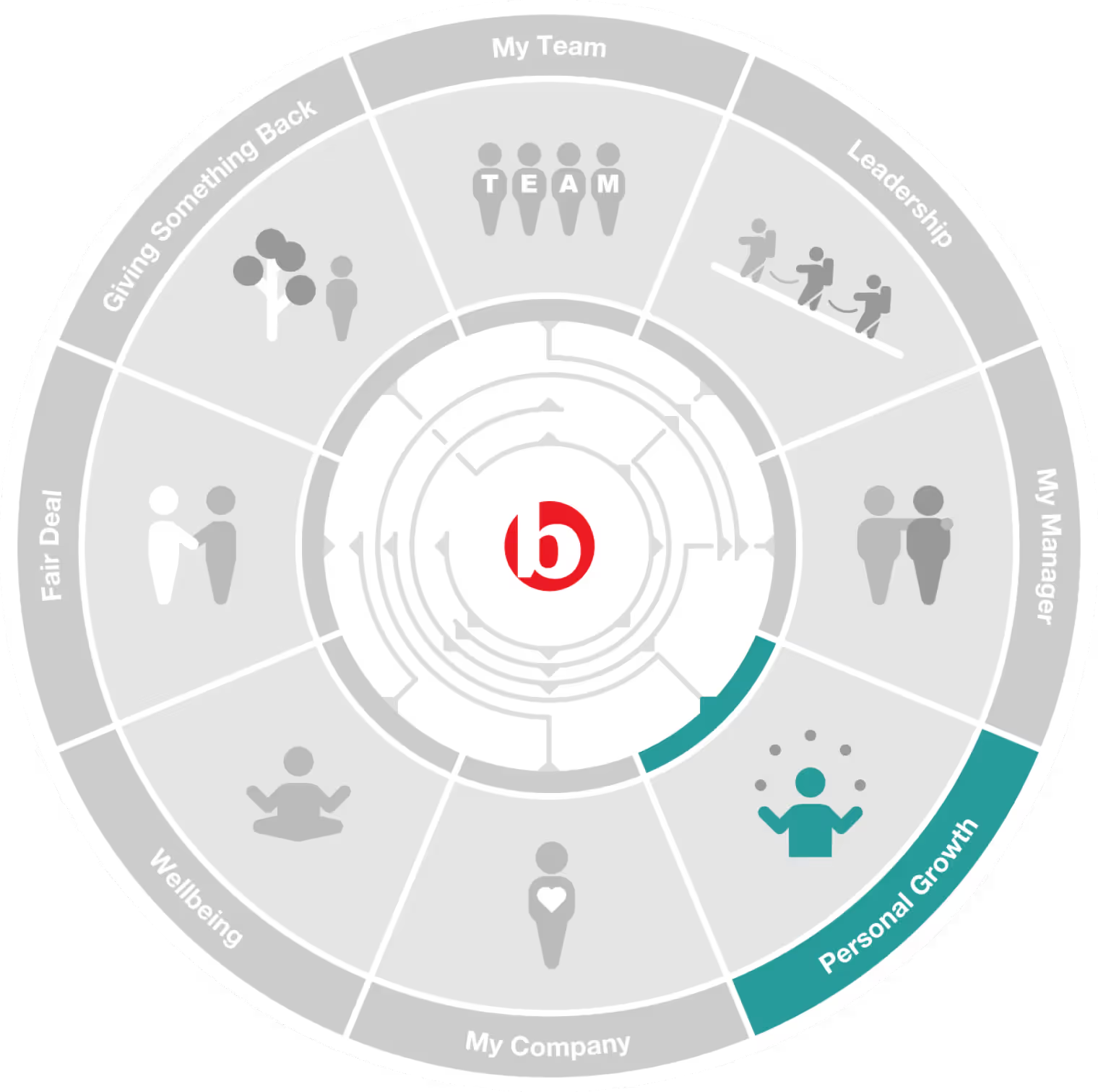
Our approach measures organisational health across eight core areas: My Team, Leadership, My Manager, Personal Growth, My Company, Wellbeing, Fair Deal, and Giving Something Back. Together, they give you a complete view of how your people think, feel, and experience work.
Complete the form and take the first step toward a stronger, more engaged organisation.